
 Photoshop
 Maya
Maya ZBrush
 Houdini
 Substance Painter
 Blender
 Unreal Engine
 Arnold
 Nuke
Nuke KeyShot
 V-Ray
V-Ray Mari
Mari Marvelous Designer
 Marmoset Toolbag
 Substance Designer
 3ds Max
 3DCoat
 Redshift
 Faceform Wrap
 Lightroom
 After Effects
 OctaneRender
 SpeedTree
 Daz 3D
 Agisoft Metashape
 Fusion
 Modo
Modo RealityCapture
 Gaea
Gaea Cinema 4D
 Gravity Sketch
 Premiere
 Procreate
 Clip Studio Paint
 SketchUp
 SketchBook
 Katana
 Natron
 Mudbox
 Quixel Bridge
 Quixel Megascans
 Quixel Mixer
 Substance 3D Modeler
 World Creator
 Yeti
Yeti Ziva VFX
 Mixamo
 Adobe Medium
 Quixel DDO
 xNormal
 Meshmixer
 Storyboard Pro
 DaVinci Resolve
 TreeIt
 World Machine
 Gaffer
 Corel Painter
 SynthEyes
 Krita
Krita Massive
 Materialize
 Unity
Unity Ornatrix
 PreForm
 Moi 3D
 animBot
 QuickTime
 ReCap
ReCap
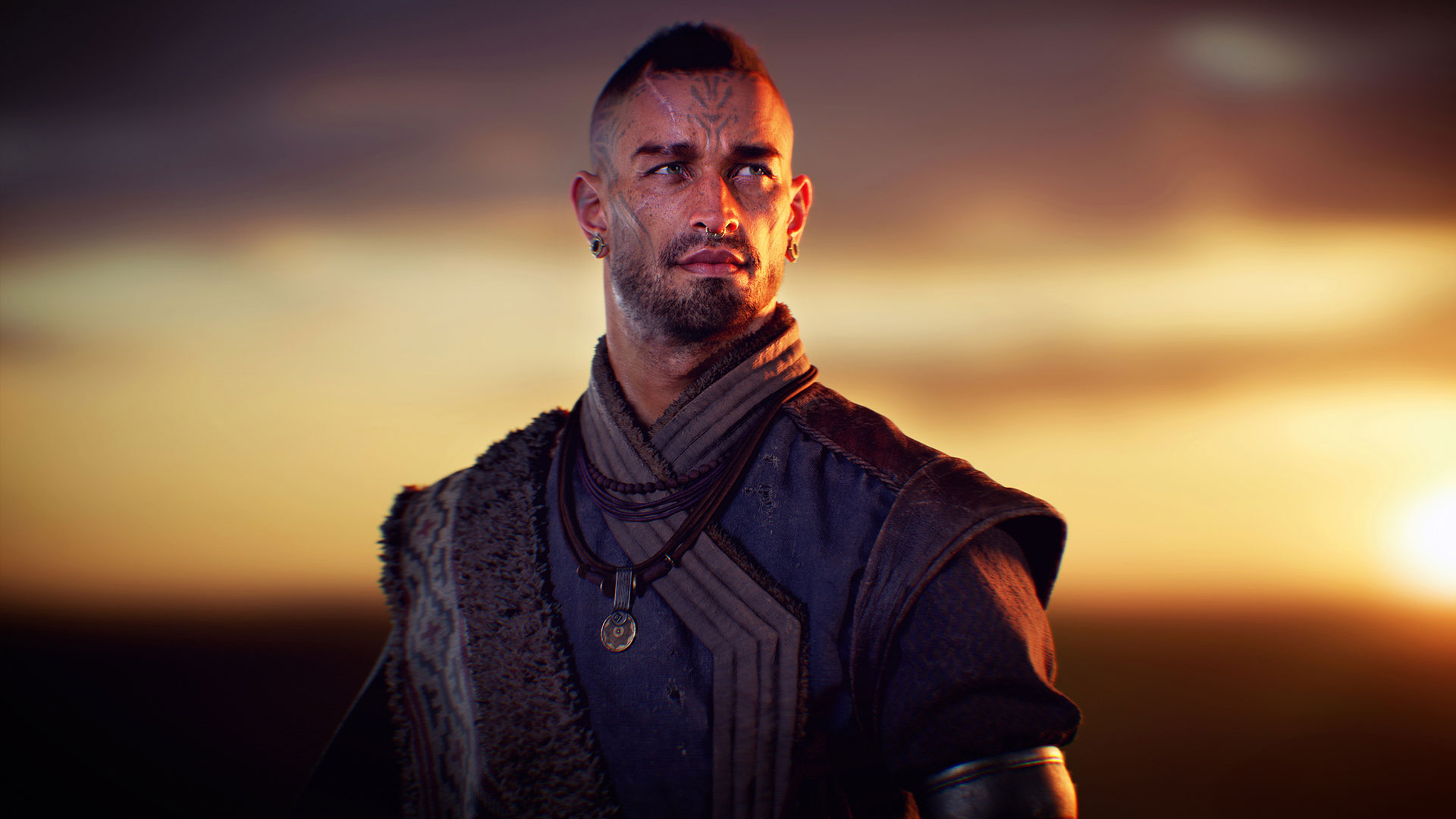
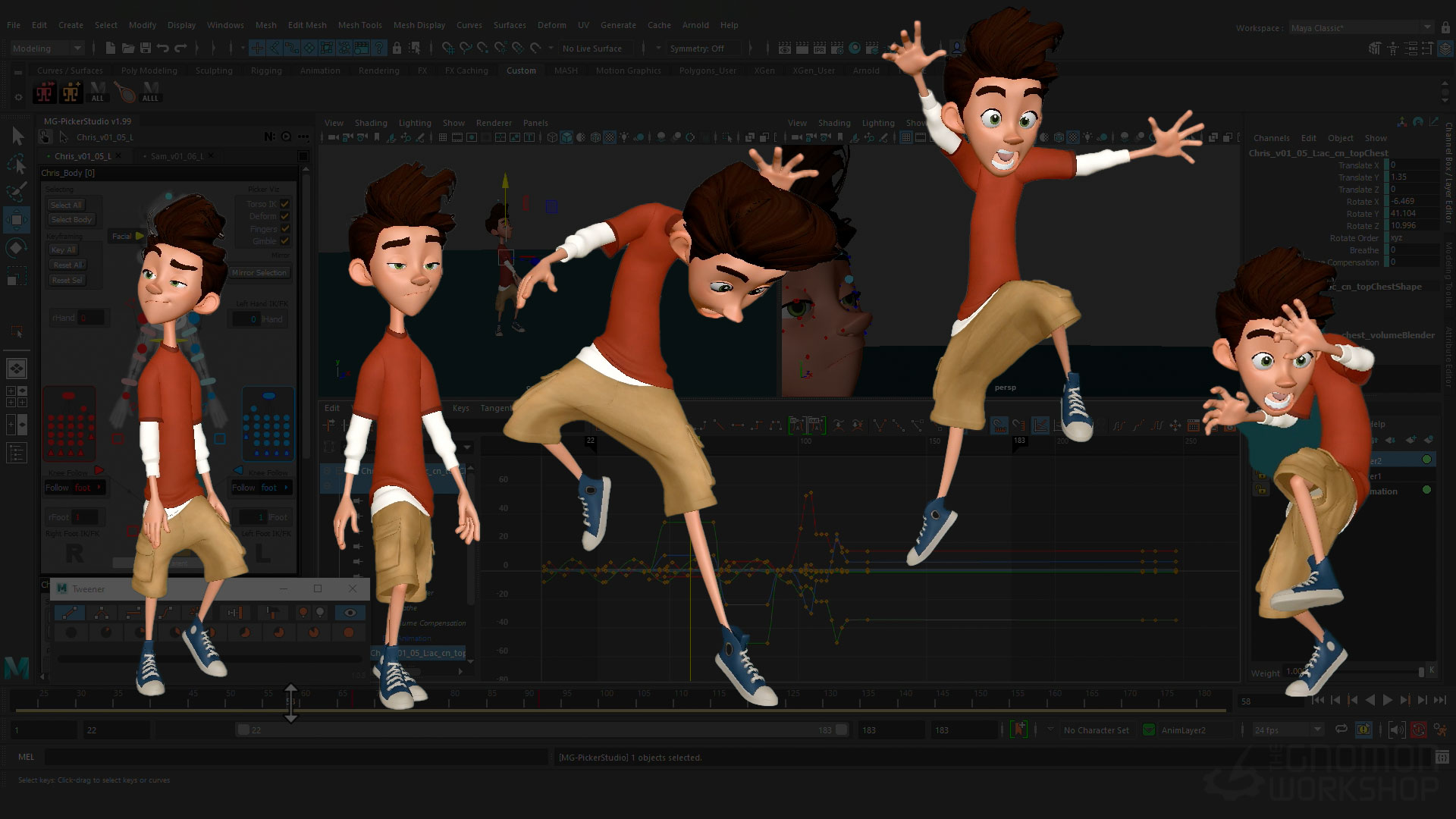









This Unreal Engine workshop offers a comprehensive introduction to building gameplay-ready character animation systems in UE5. Taylor Whitsett focuses on the technical animator’s role in integrating animation with gameplay, following a realistic, production-oriented workflow used in modern game development. His lessons are intended for beginner to intermediate artists, animators, and technical artists, with at least a foundational level of navigating Unreal Engine 5. Knowledge of basic core 3D principles is recommended.
Over the course of 5 hours, Taylor covers the requirements for runtime animation assets, including skeletal meshes and rigs, character configuration, player gameplay systems, and animation blueprint logic. Topics include blend spaces, aim offsets, animation montages, root motion, combo systems using animation notifies, and animation retargeting with Unreal’s IK Rig and IK Retargeter systems. Other topics covered include: Unreal’s Enhanced Input System, camera setup, character movement logic, and best practices for scalable, data-driven animation systems.
Experience and knowledge about common pitfalls, debugging systems, structuring logic, and blueprints for growth and feature iteration are shared throughout. By the end of the workshop, artists should expect to have built a fully playable character with locomotion, aiming, melee combos, and retargeted animations, along with a clear understanding of how Unreal’s animation and gameplay systems interact.
Project files provided with this workshop include the Nyra mesh and accompanying weapon props for retargeting. The royalty-free gun model utilized by Taylor is available from CGTrader. The workshop also features several free asset packs from the FAB Marketplace.
14 Lessons
This technical animation workflow emphasizes the critical importance of proper setup and planning in game development pipelines. The instructor stresses that overlooking fundamental requirements for skeleton setup, naming conventions, and project organization can cause massive, difficult-to-fix issues later in production. Following these established procedures and maintaining consistency across all assets will prevent bugs, reduce rework, and create a more efficient development workflow.
Duration: 22m 30s

This lesson defines the foundational knowledge needed to work with character blueprints in Unreal Engine. The visual scripting approach makes game development more accessible while maintaining strong functionality for creating complex player characters. Understanding these core concepts of components, variables, and event-driven logic provides the groundwork for implementing character behaviors and gameplay mechanics.
Duration: 13m 50s

This lesson goes over the foundational systems needed for a functional third-person character in Unreal Engine 5. By properly separating concerns between the game mode, player controller, and character blueprint, and utilizing UE5's enhanced input system, artists can create responsive player controls with smooth camera movement.
Duration: 18m 40s

This lesson shows the fundamental workflow for creating responsive character animations in Unreal Engine 5. By combining animation blueprints, state machines, and blend spaces with proper variable management and input handling, artists can create smooth, dynamic character movement systems. The techniques shown give artists a solid foundation that can be expanded with additional animation states and more complex transition logic as projects grow in complexity.
Duration: 31m 15s

The aim offset system successfully allows the character to dynamically aim their weapon in different directions based on camera input while maintaining their locomotion animations. This additive animation approach provides smooth blending between aiming poses without interfering with the movement system.
Duration: 12m 46s

Root motion allows artists to create more realistic and art-directed character movement by letting animations drive the motion directly. While the initial setup requires several technical steps including montage creation, slot configuration, and blueprint connections, this system enables much more precise control over character actions like dodging and combat moves.
Duration: 15m 2s

This lesson demonstrates the evolution from basic to advanced combat systems in Unreal Engine. The AnimNotify-based approach gives a much more scalable and artist-friendly solution compared to hard-coded logic, allowing for complex combo systems that can be easily modified and extended. This methodology represents industry standard practices for creating robust, maintainable combat systems that empower non-programmers to iterate on gameplay mechanics.
Duration: 41m 34s


While the initial material setup is straightforward, the animation retargeting process requires careful attention to bone mapping, IK configuration, and pose alignment to achieve natural-looking results. The IK Rig system provides powerful tools for transferring animations between different skeleton structures, but success depends on properly configuring chain mappings and bone settings to match the unique characteristics of each character rig.
Duration: 44m 1s

Setting up physics assets in Unreal Engine involves creating collision volumes and carefully adjusting constraints to achieve believable ragdoll behavior. While the auto-generation feature gives a starting point, manual setup with capsule shapes offers better performance and control. The process often requires trial and error to fine-tune angular limits, stiffness, and damping values, but this foundation enables realistic physics simulation for character interactions and animations.
Duration: 24m 43s

The instructor provides a strong foundation for setting up both rigid body and cloth physics in Unreal Engine for character accessories. While the systems require significant tweaking and polish to achieve professional results, the core setup process involves creating proper collision volumes, configuring constraints with appropriate limitations, and painting weight maps for cloth simulation. The instructor emphasizes that physics implementation is iterative and requires patience to achieve satisfactory results, but can be very rewarding when properly executed.
Duration: 17m 21s

This lesson successfully goes over how to create a complete firing and reloading system that seamlessly blends with existing locomotion and aiming animations. The layered approach allows characters to move, aim, and perform upper body actions simultaneously, creating realistic gameplay mechanics. The modular setup with variables provides a foundation for more complex weapon systems that could be implemented later.
Duration: 14m 21s

This instructor demonstrates a straightforward approach to weapon attachment in game development, focusing on practical implementation over complex systems. While the method shown is simple and involves some manual adjustment due to mismatched assets, it effectively creates a functional weapon switching system. The instructor acknowledges some minor state management issues that need refinement, particularly with running and dodging animations, indicating this is part of a larger character system development process.
Duration: 12m 45s

This lesson effectively shows artists how to polish character animation systems by addressing common bugs and improving responsiveness. The instructor highlights that this workshop only scratches the surface of Unreal's animation capabilities, encouraging further exploration of advanced systems like motion matching and data-driven animation. The methodical approach to debugging animation conflicts provides a solid foundation for technical artists working on character systems in game development.
Duration: 15m 48s

Primary tools
For this workshop you’ll need:


Project Files
• 3D models and geometry (.fbx) – Detailed assets that are used to help you follow along
• High-quality textures (.tga, .png) – Professional texture maps used for the 3D models
Skills Covered
Who’s this Workshop for?
Game developers, indie creators, and animation students will also benefit significantly from this comprehensive introduction workshop. They'll gain valuable insight into modern game development workflows, learning how animation integrates with gameplay systems through practical, hands-on experience building fully functional character systems.
Learning Outcomes
Key skills include:
- How to set up skeletal meshes and configure character rigs for runtime animation systems.
- How to create blend spaces and aim offsets for responsive character movement and aiming.
- How to implement animation montages and root motion for dynamic character interactions.
- How to build combo systems using animation notifies and blueprint logic for melee combat.
- How to use IK Rig and IK Retargeter systems for seamless animation retargeting workflows.
- How to integrate Unreal's Enhanced Input System with camera setup and movement logic.
- How to structure scalable, data-driven animation blueprints for efficient feature iteration and growth.


