 Photoshop
 Maya
Maya ZBrush
 Houdini
 Substance Painter
 Blender
 Unreal Engine
 Arnold
 Nuke
Nuke KeyShot
 V-Ray
V-Ray Mari
Mari Marvelous Designer
 Marmoset Toolbag
 Substance Designer
 3ds Max
 3DCoat
 Redshift
 Faceform Wrap
 Lightroom
 After Effects
 OctaneRender
 SpeedTree
 Daz 3D
 Agisoft Metashape
 Fusion
 Modo
Modo RealityCapture
 Gaea
Gaea Cinema 4D
 Gravity Sketch
 Premiere
 Procreate
 Clip Studio Paint
 SketchUp
 SketchBook
 Katana
 Natron
 Mudbox
 Quixel Bridge
 Quixel Megascans
 Quixel Mixer
 Substance 3D Modeler
 World Creator
 Yeti
Yeti Ziva VFX
 Mixamo
 Adobe Medium
 Quixel DDO
 xNormal
 Meshmixer
 Storyboard Pro
 DaVinci Resolve
 TreeIt
 World Machine
 Gaffer
 Corel Painter
 SynthEyes
 Krita
Krita Massive
 Materialize
 Unity
Unity Ornatrix
 PreForm
 Moi 3D
 animBot
 QuickTime
 ReCap
ReCap










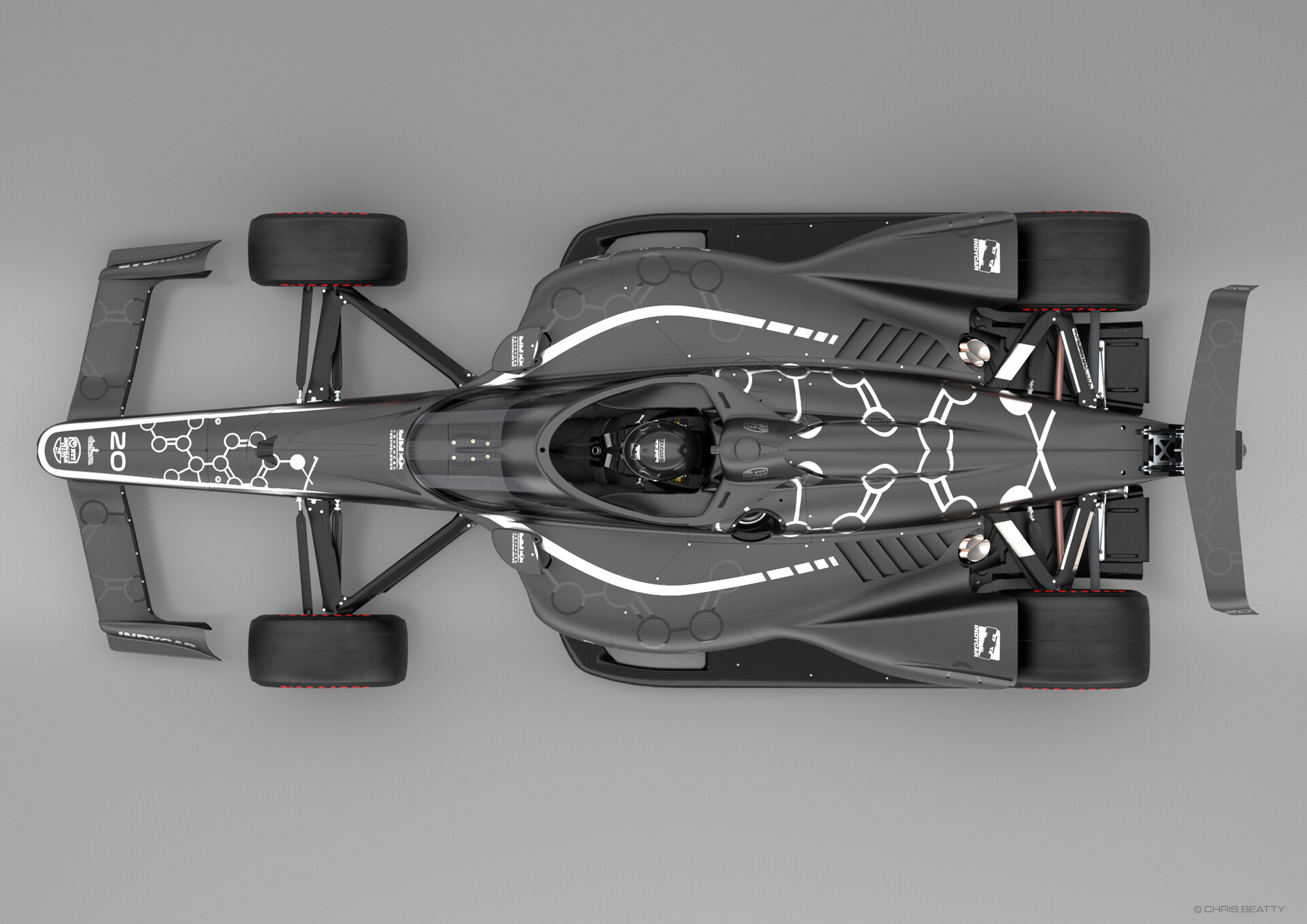
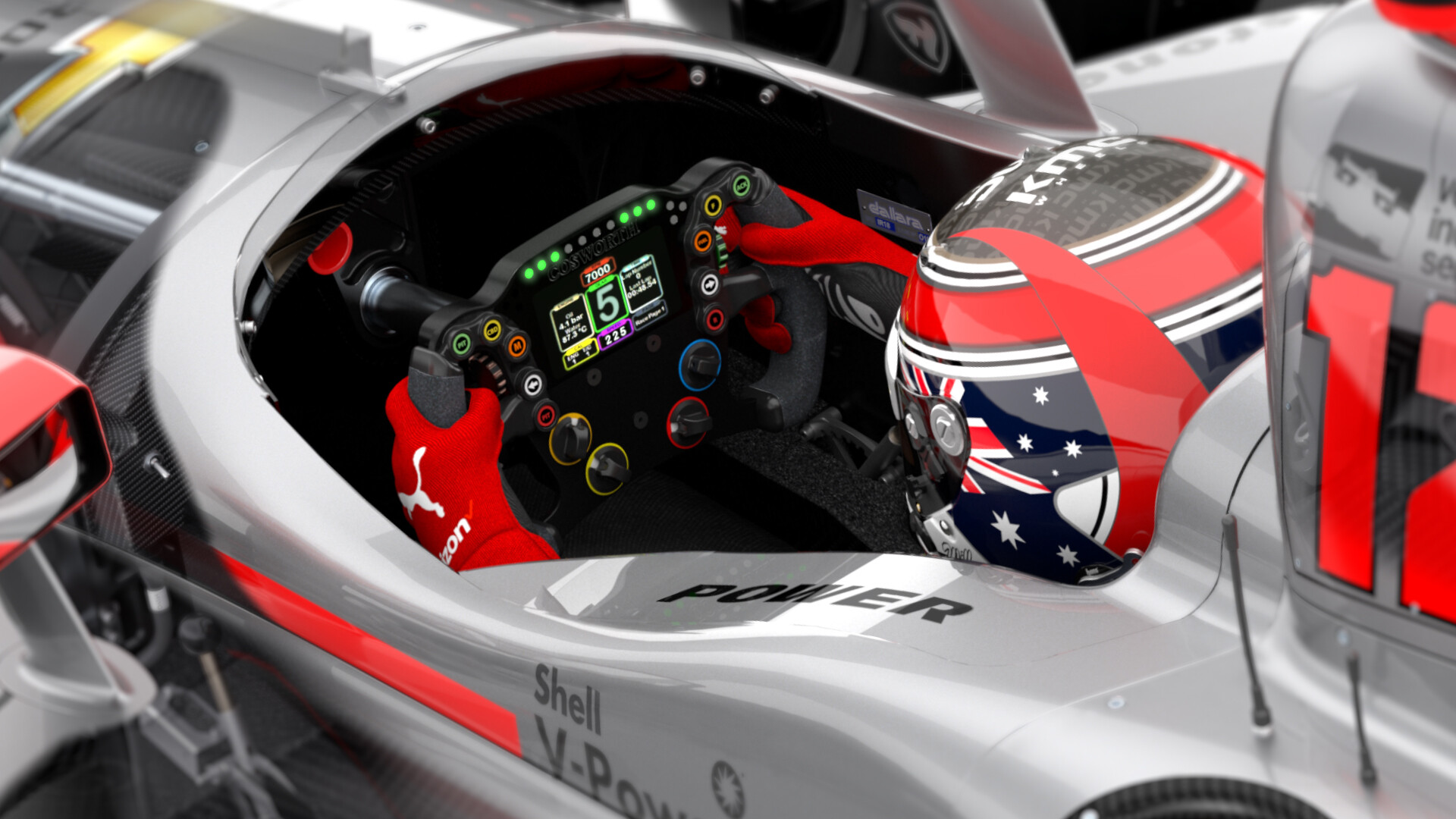
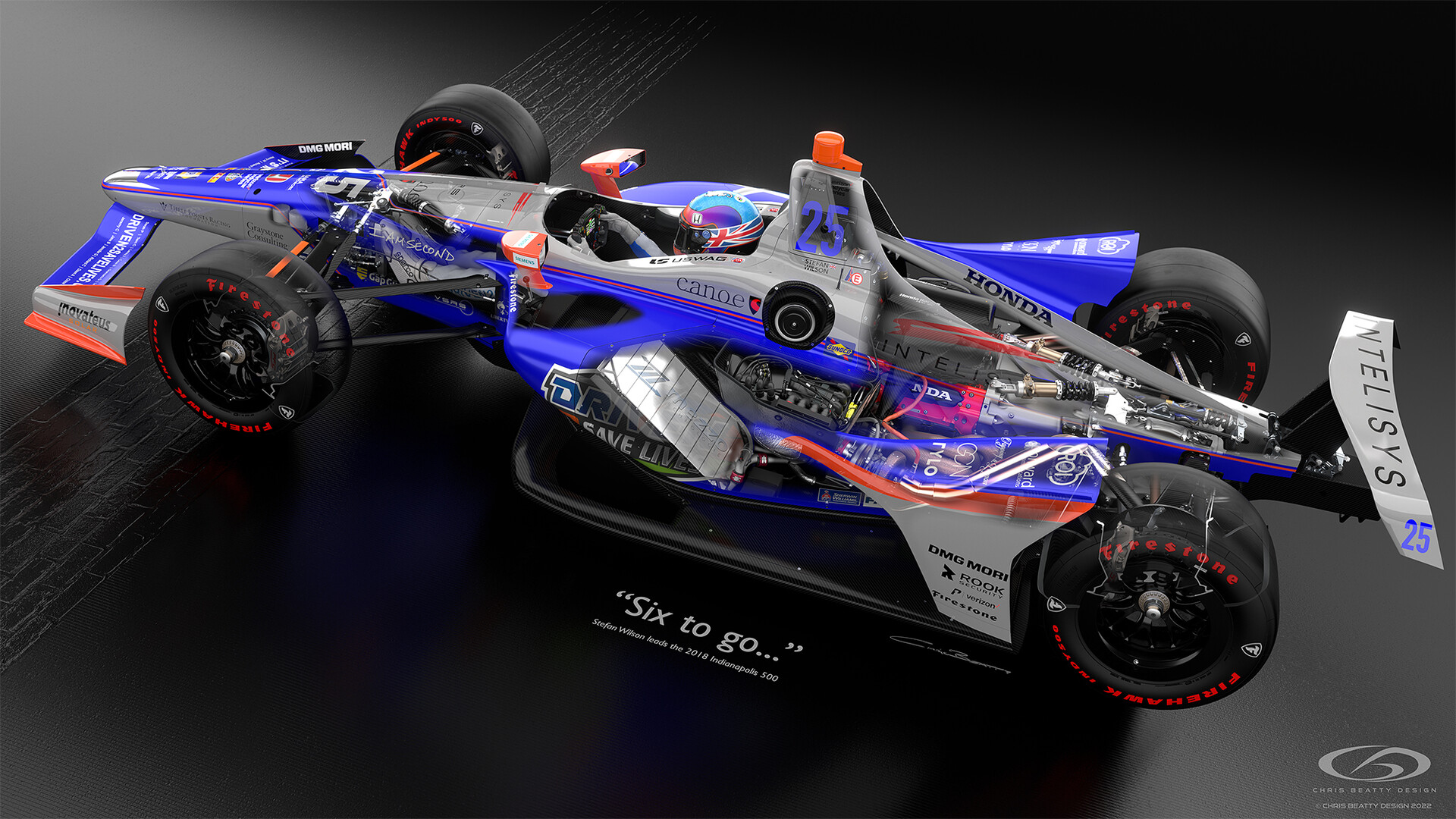
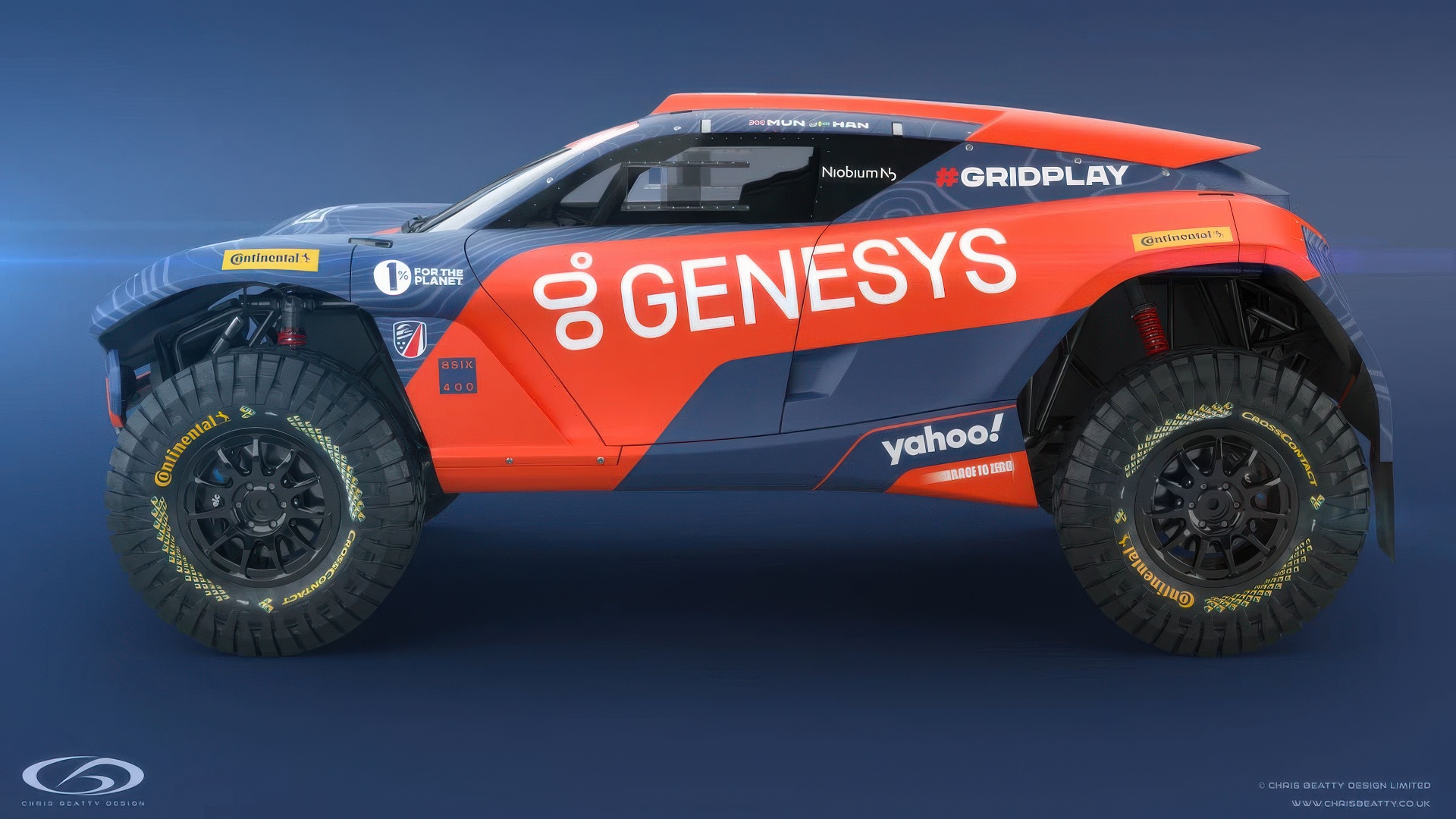
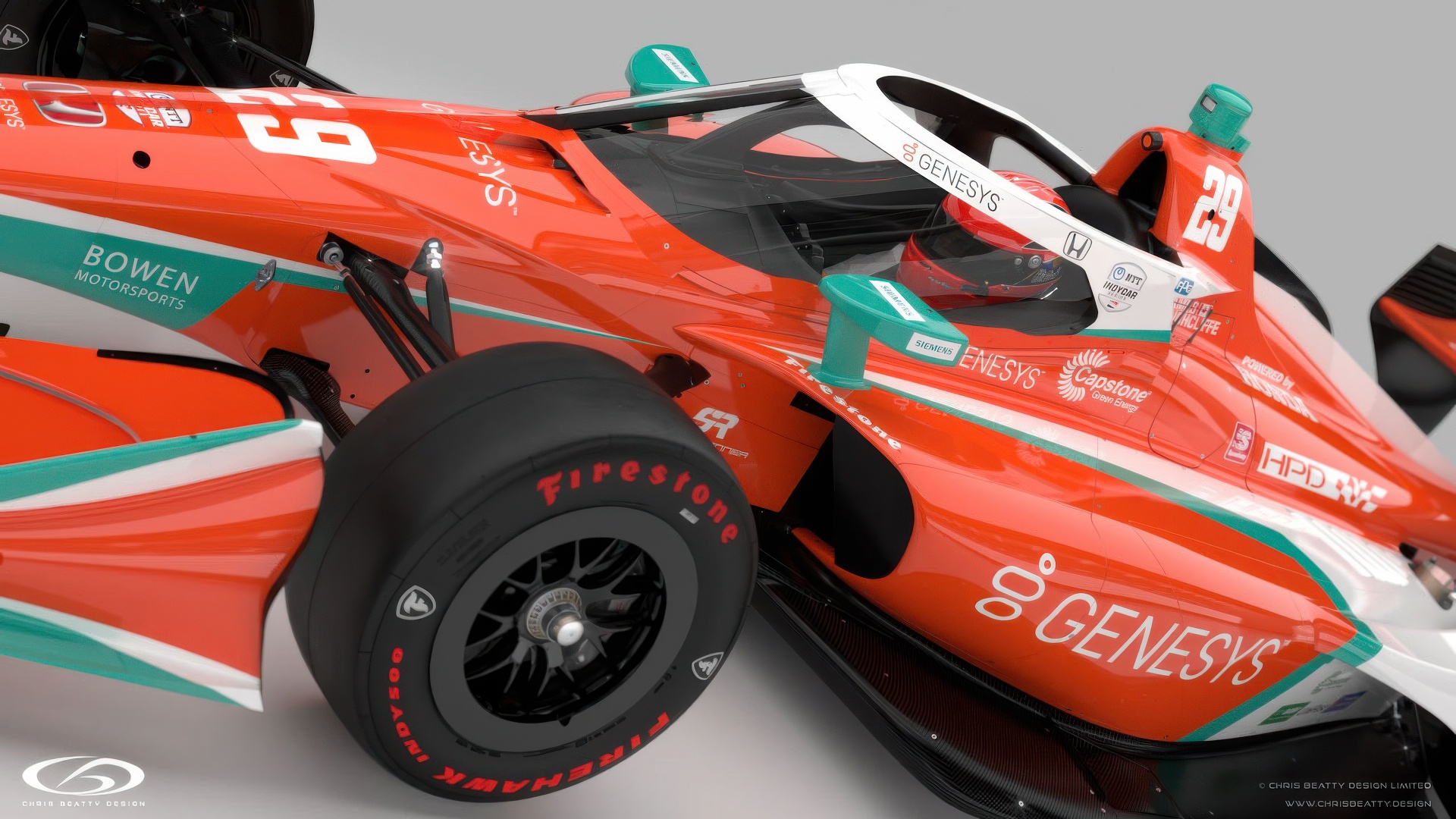
This three-lesson workshop builds on the vehicle created for Chris Beatty’s Race Vehicle Concept Design workshop. Compelling vehicle concepts come first from function and engineering logic, with design emerging from believable mechanical and aerodynamic constraints. In this follow-on project, Chris takes the completed vehicle concept and places it into a short technical explainer sequence set at the Silverstone Circuit. An older game asset of the circuit is repurposed and adapted for cinematic rendering, demonstrating how real-time assets can be reworked for visualization and storytelling.
The workshop is aimed at intermediate artists, concept designers, and 3D generalists who want to bridge the gap between vehicle concept design and animated technical presentation. Key techniques include preparing and refining geometry in Blender, reworking materials and lighting for offline rendering, scene optimization, and building a clear visual narrative around a design. The lessons also cover practical workflows for adapting game-ready assets, managing scene scale, and quickly integrating existing environments into a cinematic pipeline.
By completing this workshop, students will understand how to take a completed concept design and develop it into a short technical explainer sequence in an exciting environment.
3 Lessons
In this first lesson, Chris Beatty shows how to transform a real-time game asset into a photorealistic render in Blender. Chris focuses on shader development to enhance material realism and on lighting techniques that define form and mood. He also covers set dressing, placing the bike into a believable environment to elevate overall visual quality.
Duration: 25m 3s

In this lesson, Chris brings the vehicle onto the track and animates it along a path. Artists will learn how to use a custom rig to keep the bike grounded to the surface for realistic motion. He also explores camera animation and creates an on-the-fly exploded view that reveals internal components clearly and engagingly.
Duration: 18m 32s

In this final lesson, Chris shows how to set up render passes in Blender to maximize control over the final image. He then demonstrates how to build a compositing node network to refine lighting, color, and effects. Lastly, he teaches how to prepare and export the finished video to ensure a polished, professional result.
Duration: 27m 31s

Primary tools
For this workshop you’ll need:


* Note that these programs and materials will not be supplied with the course.
Skills Covered
Who’s this Workshop for?
Automotive designers, technical illustrators, and visualization artists can also benefit significantly from these techniques. The workshop helps bridge the gap between static concept art and dynamic technical presentations, giving artists the skills to create clean, engaging design explanations for clients.
Learning Outcomes
Key skills include:
- How to prepare and refine concept vehicle geometry for cinematic presentation workflows.
- How to adapt existing game assets for high-quality offline rendering and visualization purposes.
- How to rework materials and lighting systems to achieve professional cinematic quality results.
- How to manage scene scale and integration when combining vehicles with environmental assets.
- How to build clear visual narratives that effectively communicate technical design concepts.
- How to optimize scenes for efficient rendering while maintaining visual quality standards.
- How to establish practical workflows for repurposing real-time assets in production pipelines.